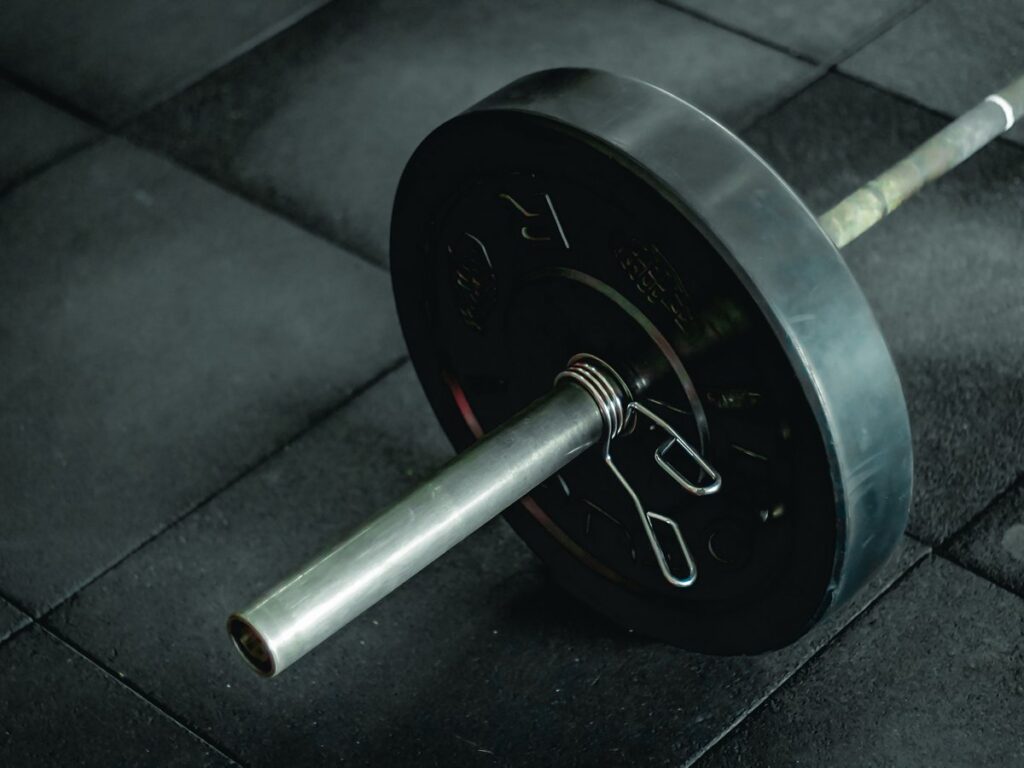
The deadlift is one of the simplest lifts in the gym: pick a loaded bar up off the floor, stand tall, put it back down. It is also one of the most rewarding. Done well, it builds your back, glutes, hamstrings and grip all at once. Done badly, it is the lift people blame for a sore lower back. If you have been wondering how to deadlift safely, this guide walks you through setup, the pull itself, common mistakes and how to progress without getting hurt.
Why the deadlift is worth learning
Very few exercises train so much muscle in one movement. A good deadlift strengthens the whole back of your body, which helps posture after long hours at a desk or behind the wheel in Karachi traffic. It also carries over to everyday life: lifting a heavy bag of atta, moving furniture or picking up your kids all use the same hip hinge. If your goal is to build muscle or get stronger month after month with progressive overload, the deadlift is one of the best tools you have.
Set up before you pull
Most deadlift problems start before the bar moves. Take ten seconds to set up the same way every rep:
- Feet. Stand with your feet about hip-width apart, with the bar over the middle of your feet. From above, it should cut your shoelaces roughly in half.
- Grip. Hinge at the hips and grab the bar just outside your legs. A double overhand grip is best while you learn; it also builds grip strength.
- Shins. Bend your knees until your shins lightly touch the bar. Do not push the bar forward as you do this.
- Back. Lift your chest slightly and pull your shoulders back and down, as if you are protecting your armpits. Your back should be long and flat, not rounded.
- Brace. Take a big breath into your belly, tighten your stomach as if someone is about to poke it, and hold that breath through the lift.
The pull, step by step
Once you are set, think of the deadlift as pushing the floor away rather than yanking the bar up.
- Take the slack out. Pull up gently until you hear the plates click against the bar. Everything should feel tight before the weight leaves the floor.
- Drive with your legs. Push through your whole foot. Your hips and shoulders should rise together, so your back angle stays the same as the bar passes your knees.
- Keep the bar close. It should travel in a straight line, brushing your shins and thighs. A bar that drifts forward puts the load on your lower back.
- Finish tall. Squeeze your glutes and stand straight. There is no need to lean back at the top.
- Lower with control. Push your hips back first, let the bar slide down your thighs, then bend your knees once it passes them. Reset your brace before the next rep.
Common deadlift mistakes
- Rounding the lower back. This usually means the weight is too heavy or the brace is weak. Drop the load and own your position first.
- Hips shooting up first. If your hips rise before the bar moves, you turn the lift into a stiff-leg pull. Think “chest and hips up together.”
- Jerking the bar. Ripping the bar off the floor loosens your back. Take the slack out and build tension first.
- Looking up at the ceiling. Keep your neck in line with your spine. Gazing a few feet ahead on the floor works well.
- Skipping the warm-up. Cold hamstrings and hips do not hinge well. Use a short warm-up and a few lighter sets before your working weight.
How heavy, how often
If you are new, start with a light bar, or even a kettlebell or dumbbell deadlift, and practise the hinge for a couple of weeks. Three sets of five to eight reps once or twice a week is plenty. Add a small amount of weight only when every rep looks the same. Stop a set when your form starts to change, not when you physically cannot finish.
Deadlifts are tiring, so give yourself time to recover. Fit them into your week the way you plan how many days you work out, and avoid heavy pulls the day after a hard leg session. Good sleep and enough protein from a high-protein desi diet will help you bounce back. Some stiffness the next day is normal, but sharp pain in your back is a sign to stop and get your technique checked. Read more about muscle soreness to tell the difference.
Learn to deadlift with a coach at Body Evolution
The fastest way to learn the deadlift safely is to have someone watch your form from the side. Our personal training coaches can teach you the hinge, set your starting weights and build a plan around your goals. Men who love free weights can join Sparta at Solace by BE, our wellness studio: a barbell and dumbbell class on weekdays from 4 to 5 PM (book a slot by messaging us on Instagram at @bodyevolution.pk). Women can join Project Her classes or train in our private ladies gym, and you can build all-round conditioning in our MMA classes. Compare memberships on our gym fees page, see why members call us the best gym in Karachi, or join Body Evolution today.
This article is educational and is not a substitute for individual medical, nutrition or rehabilitation advice. If you have a health condition, injury or specific dietary needs, consult an appropriately qualified professional.