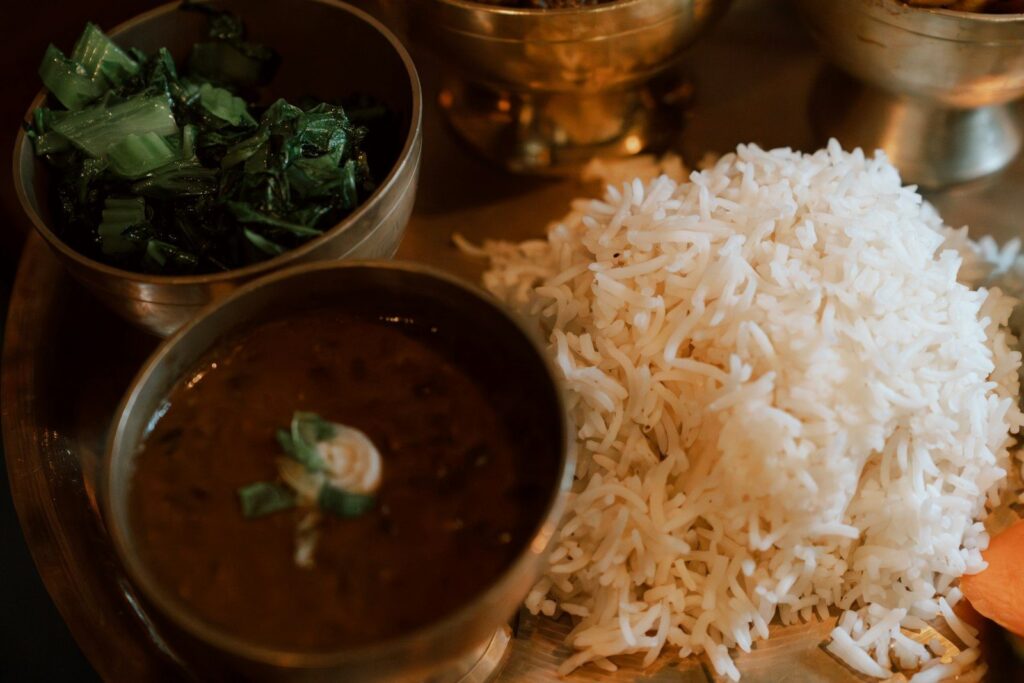
You train hard, but the scale and the mirror barely move. For a lot of gym-goers in Karachi, the problem is not the workout. It is the plate. A typical desi day is heavy on roti, rice and chai, and light on protein. The good news: you do not need imported powders or a separate “diet kitchen” to fix it. A high-protein desi diet for the gym can be built from food that is already cooking at home.
Here is a practical guide to hitting your protein with everyday Pakistani food, whether your goal is building muscle, losing fat, or simply recovering better between sessions.
How much protein do you actually need?
For most people lifting weights regularly, a well-supported target is around 1.6 g of protein per kg of body weight per day. Some lifters go up to roughly 2.2 g per kg, but more than that rarely adds extra benefit. A 70 kg person would aim for about 110 g a day.
That sounds like a lot until you split it up. Four meals or snacks with 25–35 g each gets you there without forcing anything down.
Desi protein sources, ranked by usefulness
These figures are approximate and vary with portion size and cooking, but they give you a working picture:
- Chicken breast (100 g cooked): about 30 g protein. The easiest win. Boti, tikka, karahi made with less oil, or simple grilled chicken.
- Lean beef or mutton (100 g cooked): about 25 g. Choose leaner cuts and go easy on the ghee.
- Fish (100 g cooked): about 20–25 g. Karachi has great fresh fish; grilled or tawa beats deep-fried.
- Eggs: about 6 g each. Three eggs in an omelette or anda bhurji is roughly 18 g.
- Daal and lentils (1 cup cooked): about 15–18 g, plus fibre. Thick daal counts far more than watery daal.
- Chana and lobia (1 cup cooked): about 13–15 g. Great in chaat, salads and curries.
- Dahi (1 cup): about 8–10 g. Hung (strained) yoghurt has noticeably more per spoon.
- Milk (1 glass, 250 ml): about 8 g.
- Paneer (100 g): about 18 g, but it is also high in fat, so portion it.
A simple high-protein day using home food
This is an example, not a prescription. Adjust portions to your size, goal and appetite.
- Breakfast: three-egg omelette with onion, tomato and green chilli, one roti, a glass of milk or chai with less sugar.
- Lunch: chicken salan or karahi (a palm-and-a-half of chicken), a bowl of thick daal, one roti or a small portion of rice, salad.
- Pre- or post-workout snack: a bowl of chana chaat or a cup of dahi with fruit.
- Dinner: grilled fish or chicken tikka, sabzi, raita, and a roti if your energy needs it.
That kind of day lands somewhere around 100–130 g of protein for most people, without a single shake.
Small swaps that make a big difference
- Protein first, carbs second. Fill a quarter to a third of the plate with chicken, meat, fish, eggs or daal before adding roti or rice.
- Cut the oil, not the meat. Many home curries carry more calories from oil than from anything else. Ask for a lighter tarka on your portion.
- Make daal thicker. Less water, more lentils. Same taste, more protein per bowl.
- Swap one chai-and-biscuit break for dahi or eggs. Same habit, better fuel.
- Watch the “healthy” traps. Fried pakoras, samosas and sugary lassi add up quickly and contribute very little protein.
- Hydrate. Karachi heat and humidity mean you sweat more than you think, especially during training.
Do you need protein powder?
No, it is a convenience, not a requirement. If you genuinely struggle to reach your target with food, a shake can help on busy days. Buy from reputable sellers and check the label, as counterfeit supplements are a real problem. Food should still do most of the work.
Eating for training at Body Evolution
At Body Evolution in Bahadurabad, we see it every week: members who fix their protein recover faster, train with more energy on our Matrix equipment, and see results sooner. If you want help putting training and nutrition together, our coaching packages pair a structured programme with practical guidance that fits real Karachi life. Women can train on our separate ladies floor, and our Project Her programme is built for women who want guided group training.
Quick FAQ
Can vegetarians build muscle on a desi diet?
Yes. Combine daal, chana, lobia, dahi, milk and paneer across the day, and keep portions consistent. It takes a little more planning, but it works.
Is it bad to eat rice if I want to lose fat?
No single food makes you gain fat. Total calories matter most. Keep rice portions sensible and make sure protein and vegetables are on the plate too.
When should I eat protein around my workout?
Your daily total matters most. A protein-rich meal within a few hours before or after training is a good habit, but you do not need to rush a shake the second you finish.
Is high protein safe for everyone?
For healthy adults, the targets above are widely used. If you have a kidney condition or another medical issue, speak to your doctor before changing your diet.
Ready to train with a plan?
Good food needs good training to match. Visit Body Evolution in Bahadurabad, Karachi, check our gym fees and memberships, or join Body Evolution online. Questions? Message us on WhatsApp at 0306 6667817.
This article is educational and is not a substitute for individual medical, nutrition or rehabilitation advice. If you have a health condition, injury or specific dietary needs, consult an appropriately qualified professional.