
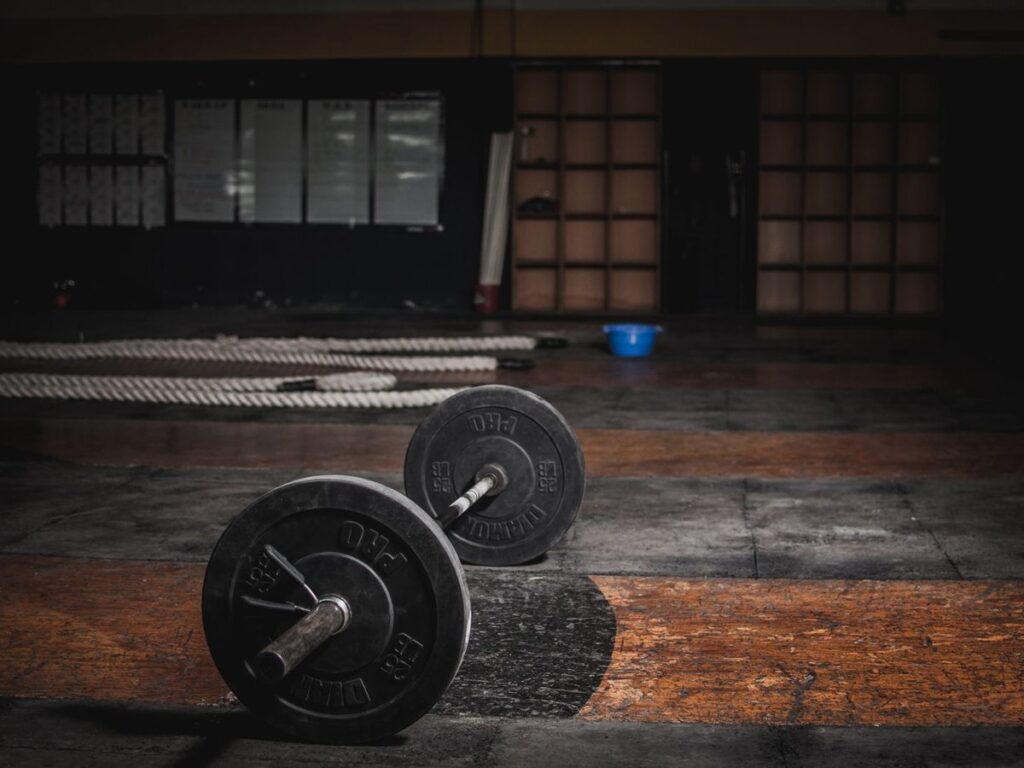
If you have been training for a few months and your body has stopped changing, the reason is usually simple: you are doing the same workout with the same weights every week. Your muscles adapt to whatever you ask of them, and once the job gets easy, they stop growing. The fix has a name, progressive overload, and it is the single most important idea in strength training. Here is what it means and how to use it, whether you are a beginner or have been lifting for years.
What progressive overload means
Progressive overload means gradually asking your body to do a little more than it did before. Lift a bit heavier, do one more rep, add a set, or move with better control. Each small increase gives your muscles a reason to get stronger and bigger. Without it, training turns into maintenance: you keep what you have, but you do not build anything new.
The key word is gradually. Overload does not mean throwing on as many plates as possible. It means small, steady steps that you can keep taking for months.
Six ways to apply progressive overload
- Add weight. The classic method. When you can complete all your sets and reps with good form, add the smallest jump available, usually 2.5 kg on a barbell or the next dumbbell up.
- Add reps. Stay at the same weight and aim for one more rep per set. If your plan says 3 sets of 8 to 12, work up to 12 on every set before you increase the weight.
- Add a set. Going from 3 sets to 4 on a lift increases your total work without changing the load.
- Slow it down. Lowering the weight over three seconds instead of one makes the same load much harder and builds control.
- Shorten your rest. Doing the same work with less rest between sets improves conditioning, which is useful for fat loss and sports like MMA.
- Improve your form and range. A deeper squat or a full pull-up with no swinging is a real step forward, even if the number on the bar stays the same.
A simple example you can follow
Say you can do a dumbbell bench press with 15 kg dumbbells for 3 sets of 8. Here is how the next few weeks might look using the double progression method, which is the easiest system for most people:
- Week 1: 15 kg for 8, 8, 8 reps.
- Week 2: 15 kg for 10, 9, 8 reps.
- Week 3: 15 kg for 11, 10, 10 reps.
- Week 4: 15 kg for 12, 12, 12 reps. You have hit the top of the range, so next time move up.
- Week 5: 17.5 kg for 8, 8, 7 reps, and start climbing again.
It looks slow on paper, but this steady climb is exactly how people end up lifting twice what they started with. If you are new, our beginner gym workout plan gives you the exercises, and this method tells you how to progress them.
Write it down
You cannot beat last week if you do not remember what you did last week. Keep a simple log in your phone’s notes app or a small notebook: the exercise, the weight, and the reps for each set. Before every session, look at the last entry and decide where you will add a little. This one habit separates people who keep progressing from people who stay stuck for years, and it goes hand in hand with staying consistent at the gym.
Common mistakes to avoid
- Jumping too fast. Adding 10 kg because you feel strong one day usually ends in bad form or a strained back. Small jumps win.
- Chasing numbers with sloppy form. A heavier lift with half the range of motion is not progress. Earn the weight first.
- Changing your program every week. You need to repeat the same main lifts for at least six to eight weeks to see whether you are actually improving.
- Ignoring recovery. Muscles grow between sessions, not during them. Poor sleep, too little protein and skipped rest days will stall your progress no matter how hard you train. See our guides on recovery and the high-protein desi diet.
- Expecting progress every single session. Some weeks you will match last week rather than beat it, especially in Karachi’s heat or after a bad night’s sleep. That is normal. Look at the trend over a month.
What to do when you hit a plateau
If a lift has not moved for three or four weeks, first check the basics: are you sleeping seven hours or more, eating enough protein, and drinking enough water? If those are in place, try a lighter week at about 70 percent of your usual weights to let your body recover, then build back up. You can also switch to a close variation, such as incline instead of flat bench press, for a few weeks. Sometimes a fresh pair of eyes helps most: a coach can often spot a technique fault or a programming gap in one session.
Progressive overload works for every goal
This is not only for people who want to build muscle. If your goal is weight loss, keeping your strength climbing while you eat less helps you hold on to muscle so the weight you lose is mostly fat. If you want better fitness, the same idea applies to cardio: a few more minutes, a slightly faster pace, or shorter rests, as we covered in how to increase stamina.
Keep progressing at Body Evolution
Our gym floor has the full range of Matrix equipment and free weights, with dumbbells and plates in small enough jumps to keep you moving forward. If you want a plan built around your goals and someone to track your numbers with you, try personal training, or build conditioning in our MMA classes. At Solace by BE, our wellness studio, women can join Project Her classes, and men can join Sparta, our free-weight class on weekdays from 4 to 5 PM (book a slot by messaging us on Instagram at @bodyevolution.pk). Women who prefer a private space can also train in our ladies gym. Compare memberships on our gym fees page, see why members call us the best gym in Karachi, or join Body Evolution today.
This article is educational and is not a substitute for individual medical, nutrition or rehabilitation advice. If you have a health condition, injury or specific dietary needs, consult an appropriately qualified professional.