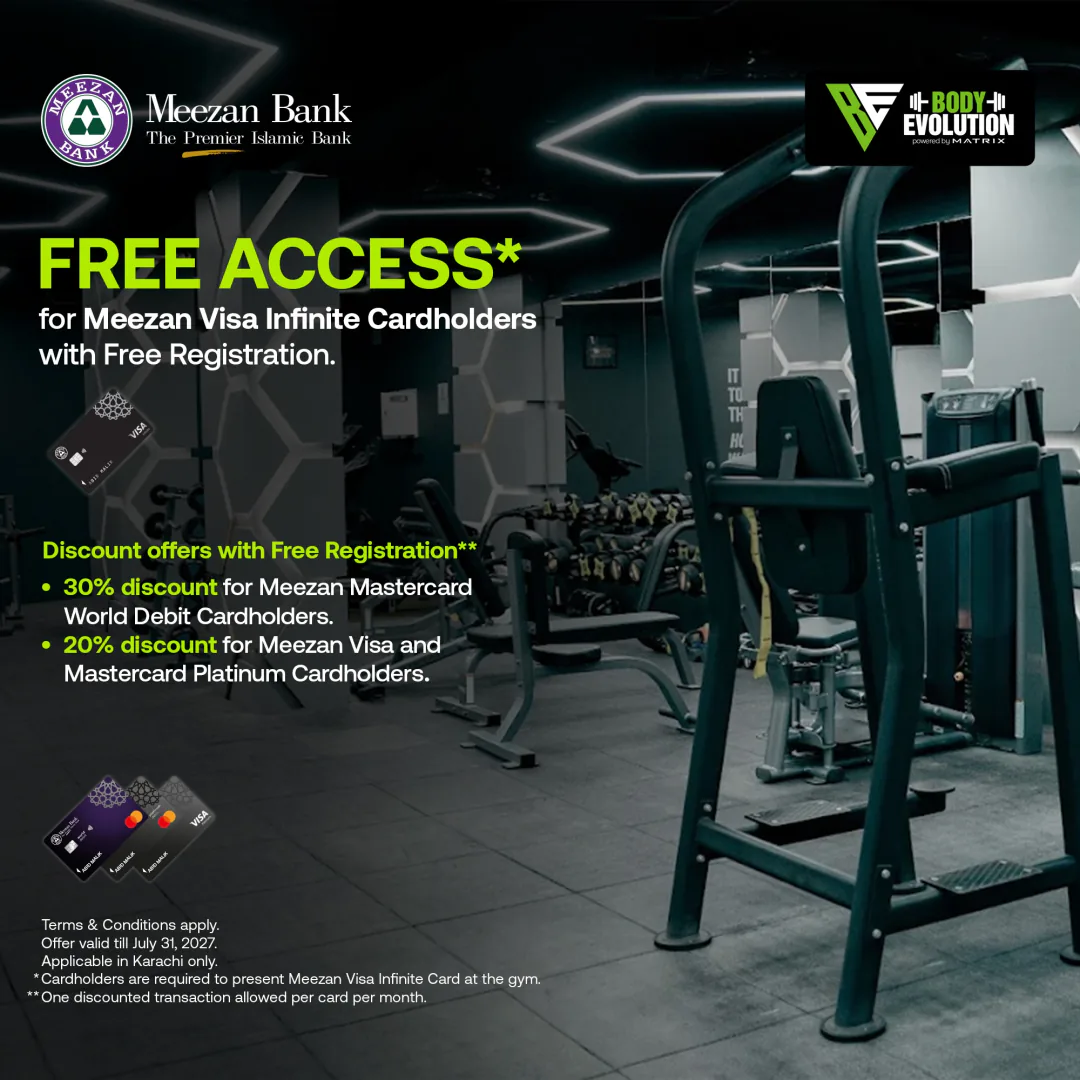

Walk into any gym in Karachi and you will see two kinds of members. Some wander between machines, copy whatever the person next to them is doing, and quietly stop coming after a few months. Others train with a clear plan, lift with good form, and keep improving year after year. Very often, the difference is coaching. If you have been wondering whether a personal trainer in Karachi is worth it, this guide will help you decide, and show you how to pick the right one.
Who benefits most from a personal trainer?
Almost anyone can improve with good coaching, but a trainer makes the biggest difference if you are:
- A complete beginner. Learning to squat, deadlift and press properly from day one saves you months of bad habits and lowers your risk of injury.
- Stuck on a plateau. If your weight, strength or body shape has not changed in months, a coach can spot what is missing, whether that is effort, programme structure, recovery or food.
- Coming back from a long break. After Ramadan, a busy work season or an injury, a trainer helps you rebuild safely instead of jumping straight back to old weights.
- Training for something specific. A wedding, a sports season, a fitness test or a fight camp all need a plan with a deadline.
- Short on motivation. Knowing someone is expecting you at 7 PM is often the push that gets you out of the office and into the gym.
What a good trainer actually does
A personal trainer is not just someone who counts your reps. A good one should:
- Assess you first. Ask about your goals, schedule, injuries and training history, and watch how you move before writing anything.
- Write a structured programme. Progressive overload, the right exercises for your body, and a plan that changes as you improve, not random workouts every day.
- Coach technique. Clear cues, corrections in real time, and the patience to keep weights sensible until your form is solid.
- Track progress. Weights lifted, measurements, photos or performance tests, so you can see that the work is paying off.
- Give practical nutrition guidance. Advice that fits desi food and real Karachi life, not a copy-pasted Western meal plan. (Our high-protein desi diet guide is a good place to start.)
- Teach you to train on your own. Over time you should understand why you are doing each exercise, not just follow instructions.
Red flags to watch out for
- Pushing supplements or “fat burners” in the first week. Good coaching starts with training, sleep and food, not pills.
- Same workout for everyone. If your plan looks identical to every other client’s, it is not personal training.
- Ego lifting. Piling on weight while your form breaks down is how people get hurt.
- Phone-in-hand sessions. Your trainer’s attention should be on you, not on their screen.
- Extreme promises. “Lose 15 kg in a month” is a sales line, not a plan. Sustainable fat loss and muscle gain take consistent months, not days.
Questions to ask before you sign up
- How will you assess me in the first session?
- How often will my programme be updated?
- How do you track progress, and how often will we review it?
- Do you have experience with my goal, such as fat loss, muscle gain, strength or sport?
- Can you work around my injuries or medical conditions?
- What happens if I miss sessions because of work or travel?
Making personal training work in Karachi
Karachi life has its own challenges: long commutes, late office hours, traffic, heat and humidity. A trainer who understands that will plan around it. That might mean shorter, focused sessions on busy weeks, more hydration breaks in summer, or a simple home routine for days you cannot make it in. Consistency over months beats a perfect plan you cannot stick to.
Location matters too. A gym close to home or work, with parking, makes it far easier to show up three or four times a week. That is one reason so many members from Bahadurabad, PECHS, Tariq Road and nearby areas train with us.
Personal training at Body Evolution
At Body Evolution in Bahadurabad, personal training is built into our monthly coaching packages, so you train with guidance and a structured plan rather than buying sessions one by one. You train on Matrix equipment, and valet parking makes getting in and out easy even at peak hours. See what is included on our gym fees and memberships page.
Women can train on our separate ladies gym floor with female trainers, open 7 AM to 9 PM, Monday to Saturday. For guided small-group training, Project Her is designed especially for women. If you want fight-ready conditioning and real skills, our MMA classes are coached too. Curious why members call us one of the best gyms in Karachi? Come and see for yourself.
Quick FAQ
How often should I train with a personal trainer?
Two to four sessions a week works well for most people. Beginners benefit from more coached sessions early on while they learn technique.
How long before I see results?
Most people feel stronger and more energetic within a few weeks. Visible changes in body shape usually take two to three months of consistent training and sensible eating.
Do I need a trainer forever?
No. Many members use coaching to build a solid base, then train independently with occasional check-ins. Others keep a coach because they enjoy the structure and accountability.
I have an injury or a medical condition. Can I still train?
Often, yes, but speak to your doctor first, and tell your trainer everything up front so the programme can be adjusted safely.
Ready to train with a coach?
Visit Body Evolution in Bahadurabad, Karachi, explore personal training, or join Body Evolution online. Questions? Message us on WhatsApp at 0306 6667817.
This article is educational and is not a substitute for individual medical, nutrition or rehabilitation advice. If you have a health condition, injury or specific dietary needs, consult an appropriately qualified professional.