Strength and cardiovascular fitness do not need to live in separate worlds. A balanced program can include both without making every workout exhausting. One practical method is to combine focused resistance training with lower-intensity aerobic work often described as Zone 2.
What is Zone 2?
Heart-rate zones vary between individuals and devices, so a simple field test is often more useful: you are working, breathing faster than at rest and warming up, but the effort remains controlled enough to sustain for an extended period.
Why pair it with strength?
Strength training develops force and muscle. Easier aerobic training develops a different part of fitness and can improve your ability to tolerate longer periods of activity. Because the intensity is controlled, it is usually easier to recover from than frequent high-intensity intervals.
A simple weekly structure
A week might include three resistance sessions and two easy cardio sessions, with rest or light movement on the remaining days. Another person may prefer four lifting days and one longer cardio session. The right split depends on schedule, experience and recovery.
Avoid turning easy cardio into a race
If every aerobic session becomes hard, fatigue accumulates quickly. Keep easy days easy so that your strength work can still be productive.
Progress duration before intensity
For many beginners, increasing the amount of comfortable aerobic work is more useful than immediately pushing speed. Build the habit first, then progress gradually.
The goal is broad capacity
A balanced fitness program should help you become stronger while also making everyday movement and longer activity feel easier. You do not need to specialize in only one quality to make meaningful progress.
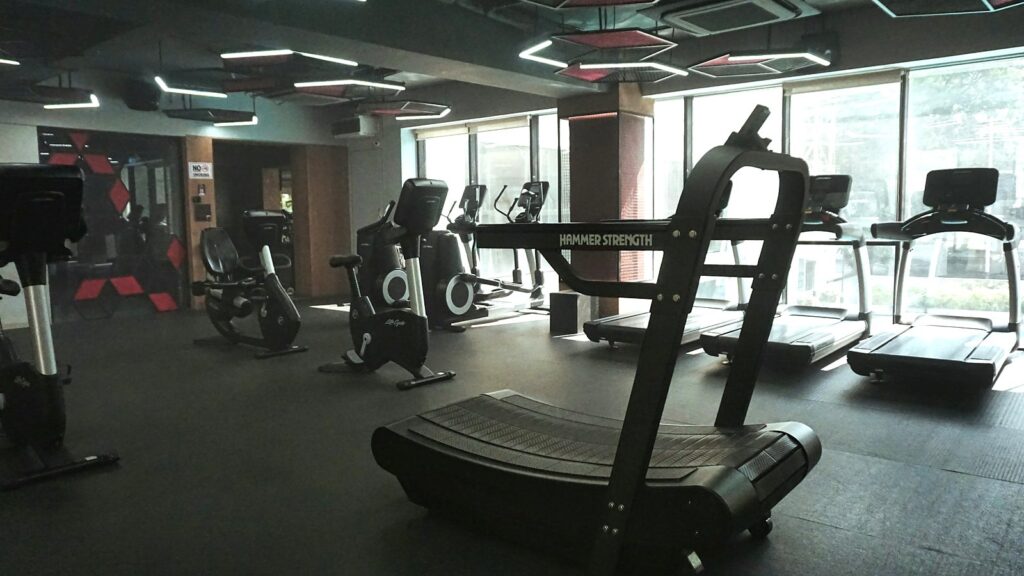
A full strength and cardio floor makes a week like this simple to run. See why Body Evolution is one of the best gyms in Karachi.
This article is educational and is not a substitute for individual medical, nutrition or rehabilitation advice. If you have a health condition, injury or specific dietary needs, consult an appropriately qualified professional.